Juneteenth is a Parenting Opportunity, Not Just a History Lesson
More than 150 years after enslaved people in Texas finally learned they were free, Black parents are still finding new ways to pass that story down to the next generations


More than 150 years after enslaved people in Texas finally learned they were free, Black parents are still finding new ways to pass that story down to the next generations. Juneteenth is more than a federal holiday for us. It’s an opportunity to teach our children where we’ve been, how far we’ve come, and why understanding our history still matters today.
Parents Need Love asked parents across Atlanta, Georgia and beyond how they celebrate Juneteenth, what they hope their children learn from it, and why preserving this history matters in their homes. Keep reading for your own inspiration on how to celebrate and preserve our history within your own family dynamic.
Juneteenth traces back to June 19, 1865, when a Union General named Gordon Granger arrived in Galveston, Texas, and announced that enslaved African Americans were free. His message came more than two years after President Abraham Lincoln signed the Emancipation Proclamation on January 1, 1863.
The question is, if slavery had already been declared illegal in some states, why were people still enslaved in Texas?
The answer lies in the realities of the Civil War. The Emancipation Proclamation could only be enforced where Union troops had control. Texas, one of the most remote Confederate states, had relatively few Union soldiers present, allowing slavery to continue largely unchecked. In some cases, enslavers intentionally withheld information about emancipation or moved enslaved people farther west to avoid enforcement.
It’s been estimated that there were still about 250,000 enslaved people living in Texas at that time. For those still enslaved, freedom was not just delayed, it was actively denied. Juneteenth stands as a powerful reminder for all of us that legal rights mean little if they are not fully realized and protected legally.
Shortly after the General arrived in Texas, newly freed Black communities began commemorating June 19 with their own celebrations through family gatherings, worship services, music, food, education, and storytelling. These early celebrations became opportunities to honor ancestors, preserve history, and build community. Over generations, Juneteenth has grown from a regional Texas observance into a nationwide celebration of Black freedom and culture.
In 2021, Juneteenth officially became a federal holiday, bringing broader recognition to a day that Black communities had honored for more than 150 years.
What Modern Day Parents Want Their Children to Understand
The truth is, Juneteenth cannot be contained by a singular lens. It’s a celebration of something much larger than one suburban Black mothers’ experience. Parents Need Love asked parents across Atlanta, Georgia and beyond how they celebrate Juneteenth, what they hope their children learn from it, and why preserving this history matters in their homes. As expected, our survey revealed a consistent theme: modern day parents aren’t just teaching dates and facts. They’re using Juneteenth to help their children understand identity, resilience, justice, pride, and community.
One survey respondent, Kimmara, emphasized that Juneteenth helps her children understand that equality has often been delayed and remains an ongoing pursuit:
“We are still fighting for equality, inclusion and justice.”
Another parent, Whitney, wants her children to understand:
“The truth about how Black people were treated in our country. Specifically, how they remained enslaved for two years after slavery ended.”
In our own ways we are teaching our children and acknowledging historical truth, while encouraging cultural pride. For some of us this requires establishing new traditions and breaking down some communication and culture barriers that we experienced in our own childhoods.
When asked how her household differs from the one she grew up in, Vee shared:
“Intentional effort, education, environment, emotional awareness and intelligence, therapy, healing.”
Today’s parents are ready to have harder conversations earlier in their children’s lives. Some of us are teaching history beyond what schools cover in the textbooks and making efforts to connect cultural awareness with emotional wellness in their households. Many Black millennial parents are parenting differently, not because their parents failed them, but because they now have access to information, language, and cultural resources that previous generations often didn’t.

The Education Many Parents Wish They Had
Ashley shared a personal reflection around the origin of her exposure to rich history of Black culture,
“It wasn’t until I attended Spelman College that I began to truly explore the African diaspora, the depth of Black culture, and the stories that were often left out of traditional education.”
This motivates her in her relationship with her daughter to provide exposure earlier than what she experienced,
“I don’t want my daughter to wait until college to begin learning those lessons.”
Many parents reported learning a limited amount of Black history in school. Most reflected on the simplified narratives about slavery and emancipation that they were taught in middle and high school history classes. Now they are intentionally closing those gaps for their children and sharing stories of history earlier at home.
Juneteenth Can Be Celebrated in Simple Ways
One of the best ways to help smaller children understand history is through stories, play, and meaningful conversations. While Juneteenth commemorates a pivotal moment in American history, it can also be an opportunity for families to explore larger themes of freedom, resilience, community, and cultural pride in age-appropriate ways.
Whether you’re introducing Juneteenth to a curious preschooler, answering questions from a middle school-aged child, or helping older kids connect historical events to the world they live in today, books and hands-on learning tools can make those conversations more engaging and memorable.
Here’s a quick roundup of some books, toys, and educational activities that can help bring the history and significance of Juneteenth to life while creating opportunities for learning, reflection, and family connection throughout the year.
Juneteenth Books for Kids
Ages 0–4 (Toddlers & Preschoolers)
A beautifully illustrated introduction to Juneteenth that focuses on family, community, joy, and celebration. Great for younger children.
Opal Lee and What It Means to Be Free
The inspiring story of Opal Lee, often called the “Grandmother of Juneteenth,” who helped make Juneteenth a federal holiday.
Ages 5–8 (Early Elementary)
One of the most beloved Juneteenth picture books. Mazie learns about the struggles and triumphs of her ancestors while preparing to celebrate the holiday.
A joyful look at a family’s Juneteenth celebration complete with food, music, and cultural traditions.
Ages 8–12 (Upper Elementary & Middle School)
The Juneteenth Story: Celebrating the End of Slavery in the United States
A nonfiction title that provides historical context while remaining accessible to young readers.
Part of the popular “What Is?” series, offering a deeper dive into the history behind the holiday.
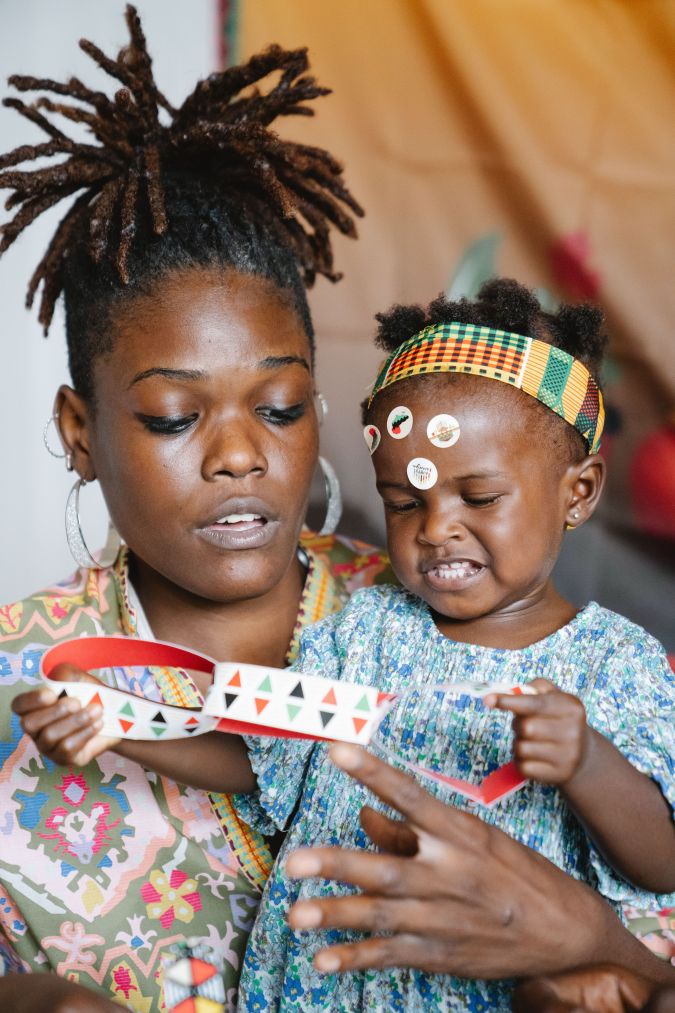
While there aren’t many Juneteenth-branded toys specifically, we searched up these educational resources that pair well with some at home Juneteenth learning:
Arts & Crafts
- Black History coloring books
- Diversity and inclusion sticker books
- DIY Juneteenth flag craft kits
Puzzles & Games
- Black History Month puzzles (100–500 pieces)
- African American inventors flash cards
- U.S. history timeline puzzles
Representation-Focused Dolls & Figures
- Natural hair dolls
- Career-themed dolls featuring Black scientists, doctors, and entrepreneurs
- Historical action figures featuring: Harriet Tubman, Rosa Parks or Martin Luther King Jr.
Conversation Starters
If parents only purchase three items, I’d recommend:
- Family discussion cards focused on history and culture
- “Little Leaders” educational card games
- Black History trivia games for families
Editor’s Pick: Family Juneteenth Bundle
- Juneteenth Is
- Juneteenth for Mazie
- A Black History timeline puzzle or flash card set
Together, they provide storytelling, historical context, and interactive learning that can spark meaningful family conversations about freedom, resilience, and cultural heritage.
As Ashley’s said:
“Our history connects us.”
Her wise reflection about the opportunities her daughter has is thought provoking for all of us,
“The freedoms and opportunities she has today didn’t happen by accident. They were earned through generations of resilience, courage, organizing, and sacrifice.”
Juneteenth isn’t about dwelling on pain, it’s about understanding the journey and celebrating freedom, culture and community. Teaching and exposing our children to their history at home is helping them see themselves in a larger story. Happy Juneteenth family!


