Beyond the Vacation: Using Summer Experiences to Expand Your Young Adult’s World
Exposure matters

Exposure matters.
Unbiased exposure matters even more.
Sometimes our young people do not know what they want because they have not seen enough of what is possible. Their imagination is often built from what they have already experienced, family expectations, what their school has introduced, what their friends talk about, and what shows up in their feed. That is not a bad thing. It is just limited to what they have experienced so far.
Summer gives parents, mentors, and young adults a chance to expand the window. But before you start asking the dreaded question, “What do you want to do with your life?”, begin with a better question: “What are you curious about?”
Curiosity gives us a doorway. Interest gives us a starting point. Exposure gives our young people something to connect to, respond to, reject, explore, or imagine.
That is the point. The goal is to expand what is possible by building options through experience and exposure. More people. More places. More opportunities.
Here are three practical ways to use summer experiences to expand your young adult’s world.

1. Turn an Interest Into a Real-World Search
Your young person’s interest is at the foundation of their future direction. Limiting this exploration to career names only limits what is possible. Instead of talking about the name like “I want to be an engineer, go into finance, or healthcare, ” they can share what they are interested in achieving.
They may say:
“I like helping people make better decisions.”
“I like building things.”
“I like money and how people use it.”
“I care about animals.”
“I like sports.”
“I like fashion.”
“I like figuring out how things work.”
Start there.
Use Google Gemini, Microsoft Copilot, or another search tool to help your young adult identify where that interest is already happening in your community.
Try this prompt together:
“I am a young adult who is interested in [insert interest]. I live near [city/community]. Identify local businesses, nonprofit organizations, public agencies, schools, programs, or community spaces where people use this interest in real work. Include the type of work they do, possible job titles connected to the interest, and whether this could be a place to request an informational interview, short visit, volunteer opportunity, or job shadow.”
Then give space for your young adult to determine which opportunities they pursue this summer. Set a goal – research three ideas and visit this summer.
SUPPORT by asking:
“What looks interesting?” “What surprised you?” “What would you want to learn more about?”
Then SUPPORT them in sending a short message asking to learn more. A simple outreach message could sound like:
“Hello, my name is ____. I am a high school/college student interested in ____. I am learning more about how this interest shows up in real work. Would someone be open to answering a few questions or allowing me to learn more about what your organization does?”
This is about helping young people connect their interest to the world and find their place in it.
2. Choose One New Experience for Joy and Discovery
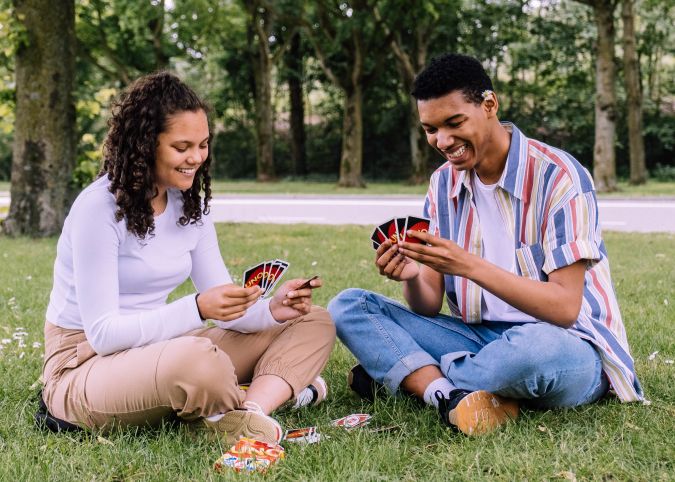
Exposure is not only about jobs, college, or career. Sometimes exposure is about joy. A museum you never noticed. A neighborhood festival. A cooking class. A maker space. A place in your city that you have driven past for years but never entered. These experiences matter because they help young people learn what they enjoy, what they do not enjoy, what catches their attention, and what opens a new question.
Try this prompt:
“We live near [city/community]. Suggest 10 low-cost or free experiences a teen or young adult could try this summer that are interesting, safe, accessible, and different from what we usually do. Include cultural, outdoor, creative, educational, and community-based options. Prioritize places we may not already know about.”
Work together to choose. They practice preference, decision-making, and ownership. You avoid making it your outing. Together, you create an opportunity for a shared discovery.
After the experience, do not over-process it. A few questions are enough.
“What did you notice?”
“What did you like?”
“What would you never do again?”
“What would you try next?”
Sometimes learning what we do not like is equally valuable as learning what we do.
3. Explore the Skills Inside the Work They Already Do
If your young adult already has a summer job, internship, class, volunteer role, or regular responsibility, do not rush past it as “just a summer job” or “just a check.” There is development inside that experience.
- A young person working retail may be practicing communication, patience, customer service, problem-solving, handling money, inventory, teamwork, and professionalism.
- A young person working in food service may be practicing time pressure, accuracy, cleanliness, conflict resolution, and staying steady when people are not kind.
- A young person helping in an office, camp, program, family business, or community space may be practicing follow-through, initiative, organization, and learning how work actually works.
Use this prompt to help them name the learning.
“My young adult is working or volunteering as a [role] at [type of place]. Create a list of practical skills, people skills, communication skills, and work habits they may be developing in this role. Include reflection questions they can answer to identify one strength, one skill to improve, and one specific action they can take to get 1% better this week.”
This is where the conversation can become powerful. Ask:
“What skill are you already better at than you were before?”
“What is one skill you want to strengthen?”
“What would getting 1% better look like every day?”
That 1% matters. It helps young people see growth as something they participate in, not something that magically happens because time passes.
Exposure Expands What Is Possible
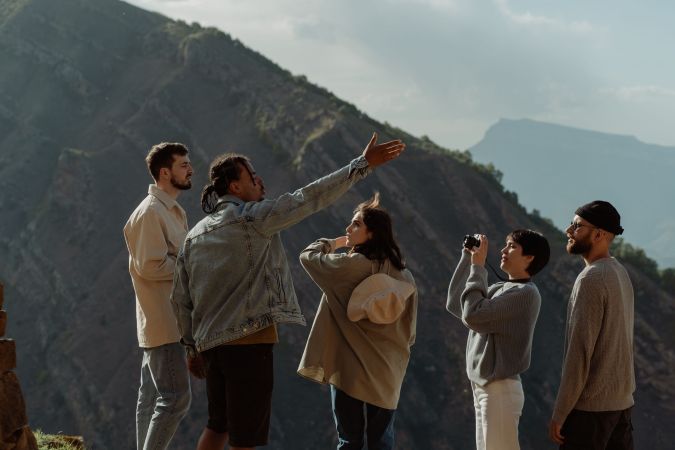
Summer is more than filling the calendar. It is time to expand exposure for our young adults to experience. When young people see more, they have more options to consider; more possibilities to pursue; more to be curious about. When they connect their interests to people, places, work, joy, and community, they expand how they understand themselves in a wider world.
Try This This Week
Choose one of the three prompts and use it with your young adult. Let them lead the search. Then come back here and share how it went. What surprised you? What did you learn about what interests them? What new possibility opened up?
Continue the Conversation
PATHworks™ Love Them to Life helps parents strengthen relationships, support growth, and guide teens and young adults without taking over.
Join the Parent Insight Live Waitlist HERE
About Ms Patricia
Patricia Wicks, MSW, is a human development expert specializing in young adults and founder of PATHworks™, with more than 30 years of experience helping young people build the tools needed for a successful transition into adulthood. She partners with families and the organizations that serve them to strengthen relationships, build independence, and improve outcomes through coaching, consulting, training, and facilitation. Learn more at www.pathworksglobal.com.
Research References
Bronfenbrenner, U. (1979). The Ecology of Human Development: Experiments by Nature and Design. Harvard University Press.
Search Institute. (2004). 40 Developmental Assets®. Search Institute.
Vygotsky, L. S. (1978). Mind in Society: The Development of Higher Psychological Processes. Harvard University Press.


