Summer Doesn’t Build Independence by Accident
Do you ever answer the question before your teen finishes asking it? Do you ever speak for your young adult because the server, doctor, teacher, coach, auntie, or family friend is waiting? Do you ever step in because you can already see the consequence forming? “I just don’t want them to fail

Do you ever answer the question before your teen finishes asking it?
Do you ever speak for your young adult because the server, doctor, teacher, coach, auntie, or family friend is waiting?
Do you ever step in because you can already see the consequence forming?
“I just don’t want them to fail.”
“It would be faster if I handled it.”
“They need to learn, but I don’t want this to be the lesson.”
I hear the love in all of that.
I also hear the tension.
We say we want independence. Then we spend much of our time making decisions for our teens and young adults.
Summer gives parents a chance to stop treating independence as something young people magically become and start treating it as something they practice through responsibility, decision-making, communication, work readiness, and future planning.
That is the opportunity.
Not a perfect summer. Not a packed calendar. Not a list of life skills we rush to teach before August arrives. A practice ground.
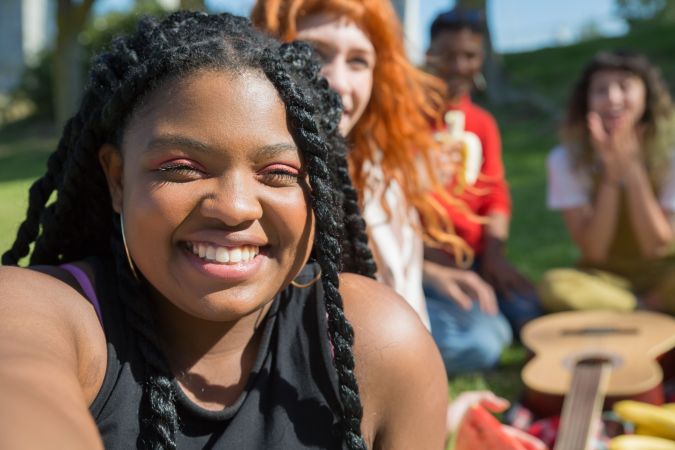
At PATHworks™, we see independence as more than a young person knowing how to do laundry, manage money, get to work, or choose classes. Those actions matter. They are part of becoming capable. But each one grows from something deeper: learning how to decide what matters, what comes next, what support is needed, and what outcome they are willing to own.
Decision-making is not the reward of independence. Decision-making is how independence develops.
That development happens in the small moments. What to eat. When to sleep. How long to stay on the phone. What to wear. When to speak. How to respond when plans change. How to manage time when no one is standing over them. How to follow through when work is boring, inconvenient, or harder than expected.
Those are not small things.
They are the building blocks of responsibility.
They are communication practice.
They are work-readiness practice.
They are future-planning practice.
A summer job is not only about earning money. It is a chance to practice showing up, taking direction, managing time, receiving feedback, and understanding how effort connects to opportunity.
A conversation with a teacher, supervisor, coach, or family member is not only about getting information. It is a chance to practice voice, confidence, clarity, and respect.
A conversation about next semester, college, work, or life after graduation is not only about a plan. It is a chance to connect today’s decisions to tomorrow’s direction.

This is where parents matter deeply.
Our young people still need us. They need our wisdom, expectations, experience, and love. They also need room to practice becoming the person who can carry more of their own life.
When we routinely answer, rescue, direct, or speak for them, we may be communicating something we never intended: “I do not think you can do this yourself.”
That message lands.
Over time, our help can grow dependence on us while reducing their confidence in themselves. Not because they lack ability. Because the space to practice ability has been too small.
Self-efficacy grows through experience. Young people build belief in their ability when they think, act, experience outcomes, reflect, and try again. Not perfectly. With practice. With caring adults nearby. With support that strengthens ownership instead of replacing it.
This does not mean parents stop giving direction. Safety matters. Health matters. Respect matters. Immediate compliance matters when the situation requires it.
But many summer moments are not emergencies. They are invitations. The next time your teen or young adult brings you a question, pause before answering.
Ask, “What are you thinking right now?”
Then listen.
Follow with, “What support do you want from me?”
That question matters. It helps both of you remember that support and control are not the same thing.
This is how we love them to life. We stay close enough to guide and clear enough to remember their life belongs to them. Our role is not to control their future. Our role is to help them practice the responsibility, decision-making, communication, work readiness, and future planning they will need to build it.
Summer does not build independence by accident. But used with intention, it can become a season where young people practice becoming more capable, and parents practice guiding without taking over.

Try This This Week
Choose one area of summer life: responsibility, decision-making, communication, work readiness, or future planning.
Start small.
Ask your teen or young adult: “What is one thing you want to own this summer?”
Then ask: “What support do you want from me?”
Notice their answer. Notice your urge to step in. Bring that reflection back to the column. This is the conversation we will keep building together.
Continue the Conversation
PATHworks™ Love Them to Life helps parents strengthen relationships, support independence, and guide teens and young adults without taking over.
Join the Parent Insight Live Waitlist to be notified when monthly live coaching conversations for parents of teens and young adults begin. 👉 Parent Insight Live Waitlist
About Ms Patricia
Patricia Wicks, MSW, is a human development expert specializing in young adults and founder of PATHworks™, with more than 30 years of experience helping young people build the tools needed for a successful transition into adulthood. She partners with families and the organizations that serve them to strengthen relationships, build independence, and improve outcomes through coaching, consulting, training, and facilitation. Learn more at www.pathworksglobal.com.
Research References
Bandura, A. (1997). Self-efficacy: The exercise of control. W. H. Freeman.
Ryan, R. M., & Deci, E. L. (2000). Self-determination theory and the facilitation of intrinsic motivation, social development, and well-being. American Psychologist, 55(1), 68–78.


