We Both Felt Like Kids
On losing my grandfather, becoming the adult, and going home a different woman My grandfather passed away on a Monday

On losing my grandfather, becoming the adult, and going home a different woman
My grandfather passed away on a Monday.
By Tuesday, I was picking out caskets.
Nobody gives you instructions for the days after someone dies. There’s no guidebook for the moment you step into your grandmother’s house as the granddaughter and leave, hours later, as the adult—the one handling bills, calling Veterans Affairs, picking out casket finishes as if anyone could be ready for that. The one dialing number after number, telling his friends—some who’d known him longer than I’ve been alive—that he was gone. Repeating the words again and again, until they barely felt like words at all.
My grandmother was heartbroken, as anyone would expect. Someone had to keep track of everything. Somewhere in that first week, without any announcement or ceremony, that person became me.
Here’s the part nobody tells you: I was grieving too. But I had to do it in the background—in the car between calls, in the pantry at my grandparents’ house, in those ten quiet minutes after my grandmother fell asleep. Because I didn’t come to this loss by myself. I came as a mother. And my daughter, River, was watching me the whole time.
The Adult in the Room
We’d only been in our new house for about two weeks when he passed. Two weeks of half-unpacked boxes and new-home plans, then a phone call, and then nearly two weeks living between my mother’s and grandmother’s couches, because that’s where the family needed to be. The books and decor I’d just arranged on my own shelves sat untouched while I tried to keep things together back in my hometown.
That’s what’s strange about becoming the adult: it doesn’t happen when you turn eighteen, or when you get your own place, or even when you have a child. It happens suddenly. Grief comes out of nowhere, but being an adult is something you figure out as you go, in front of everyone, while the phone keeps ringing. There’s no practice run. You just handle what each day asks of you, and the next day asks for something else.
The Day Of
On the morning of the funeral, I got to the funeral home first. Before my grandmother. Before my uncles. Before anyone. I stood in that quiet building and realized that, for the next several hours, everything would go through me.
And that’s how it went. I worked with the funeral staff. I approved how my grandfather’s body would be presented—a sentence I never thought I’d write, a choice I never thought would be mine. I checked the obituary for errors, made sure it was printed and handed out to everyone. I greeted family from near and far. I kept us on schedule, which sometimes meant gently gathering people who were scattered around, grieving in their own ways—some with tears, some with drinks, some just wandering. At one point, I found my daughter, my little cousin, and my uncle already sitting in the chapel pews when they were supposed to be in the visitation room, standing in a private prayer circle with the pastor by the open casket, before the formal service had even started. So I went and got them. I put my family where they needed to be so they could say goodbye the way he deserved.
And then I spoke to everyone.
I talked about his quiet ways—the things that never drew attention but stayed with me. I told the room I wanted to be like him. That I’d worked to become as good a cook as he was by my early thirties, and that some part of me had known, watching him and my grandmother get older, that the family’s holiday cooking tradition would need new hands. I took it on without ever making a big deal of it—quietly letting them step back with dignity. That’s what he showed me: doing what needs to be done, quietly, for the people you love.
All day, people told me how well I kept the family together. My grandmother and uncles thanked me again and again for being steady, for leading. And I accepted it—but honestly, I wasn’t trying to lead. Something just switched on in me. I’m 34, and when my grandfather died, a part of me stood up that I hadn’t really met before. She made the financial calls. She’s still making them—making sure the bills are paid and the lights stay on now that he’s gone. She did what she had to for our family, in front of everyone, in ways she didn’t know she could.
Grieving in Front of Her, Grieving Beside Her
River is at the age where death has come close for the first time. She didn’t just lose her great-grandfather—she watched her mother plan his funeral and then run it. She saw the lists and the phone calls. She saw me guide her into that prayer circle. She saw me step up for my grandmother, and she saw me tired, and I’ve decided not to pretend she didn’t see both.
Because I’m learning that you can’t explain grief to a child with a speech. You teach it by letting her stand next to you while you live it. She’s learning what death is, yes—but she’s also seeing what family does in its hardest weeks. That when someone we love is hurting, we show up. That we stay two weeks on couches if that’s what’s needed. That love, in the end, sometimes looks like taking care of details with care.
And then there’s the part I didn’t see coming, the part that still gets to me: the stories.
All week, people shared stories about my grandfather—his friends, our family, voices on the phone and around my grandmother’s table. So many of them were stories I was hearing for the first time, right alongside River. In those moments, the roles faded. She wasn’t just the child and I wasn’t just the adult; we were both simply his descendants, discovering new parts of him together, both of us wide-eyed. Somewhere in there, we both felt like kids.
Then the moment would end, and only one of us could keep feeling that way. Because I was the one expected to be the adult—to grieve, but grieve responsibly, on a schedule, in between tasks, with a child who still needed breakfast and comfort and a mother who had answers. Grieving with your child, going through loss this close for the first time in her life, is one of the most unusual things I’ve ever experienced. We were in the same river of grief, she and I. She got to float. I had to steer.
What Death Clarifies
When someone dies, time has a way of showing you how short life really is. You start to notice all the empty spaces in your family. You see the flaws in others—and, if you’re honest, in yourself. And you realize you suddenly have no patience for anything but doing what’s right. I think it’s because loss makes you see you need to get right with God. The small stuff falls away quickly when you’ve stood beside a casket. What’s left is what matters: your people, your word, your faith, and the kind of woman you’re becoming.
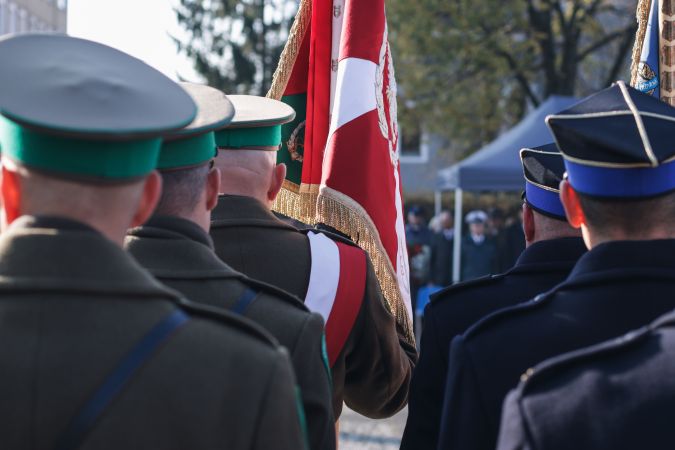
At the military ceremony, this country honored his service. They folded a flag for my grandfather and put it in my grandmother’s hands. At the end of it all- I just stood there as both the granddaughter who wanted to fall apart and the mother whose daughter was watching how you carry yourself when they play Taps. I was both. I’ve stopped thinking I have to pick one.
Going Home
Now he is buried in peace, and I have finally come home—to my own house, my own bed, my own life that waited for two weeks. But I didn’t come home the same. I came home mentally worn out, yes. But I also came home changed. Someone who did what she had to for her family, in front of everyone, in ways she didn’t know she could. I’m going home having proven something to myself that nobody can take away: when it was our family’s turn to be carried, I could carry.
Here’s what I’d say to any parent guiding their child through a first loss while carrying their own: you don’t have to do it perfectly. You don’t have to hide your grief or pretend to be strong. You figure out being the adult as you go, and you do your best, and your best will look different at 9 a.m. than it does at 9 p.m., and that’s okay.
Because in the end, this is the only promise I can make: as long as I bring the best version of myself I have on any given day—the tired version, the grieving version, the one making phone calls in the car—my daughter will always know the best version of me in this life.
He did what needed to be done, quietly, for the people he loved. Turns out I’ve been watching my whole life.
Rest well, Papa Butch. We’ll take it from here.


